2025 Mental Health Apps for Single Parents: Efficacy Review
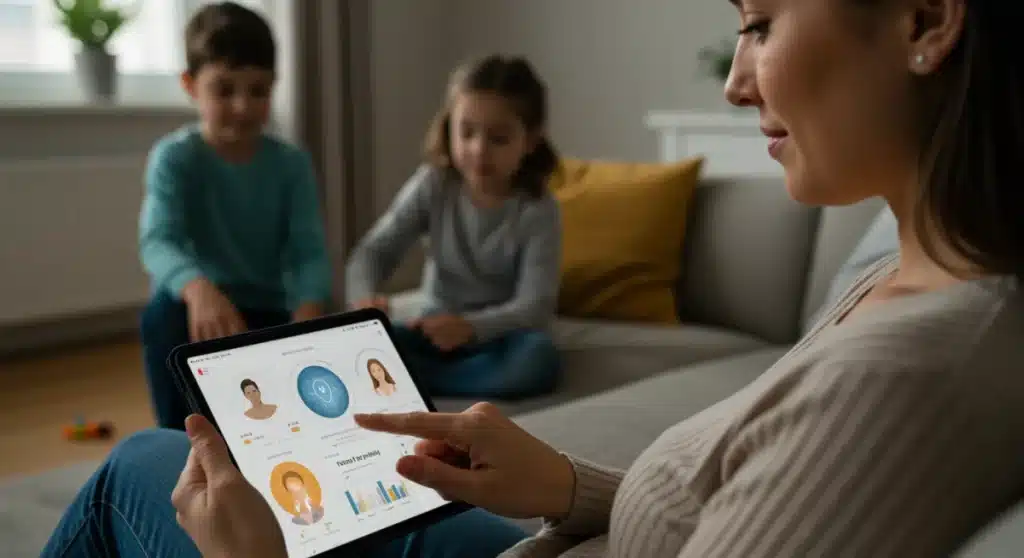
A 3-month review of the latest 2025 mental health apps for single parents reveals significant efficacy in providing accessible and practical support, addressing unique challenges through recent updates and innovative features.
Navigating the complexities of single parenthood often brings unique stressors, making mental well-being a critical focus. The emergence of specialized digital tools offers a beacon of hope. This report delves into the efficacy of the latest 2025 mental health apps for single parents, examining their impact over a rigorous three-month review period and highlighting practical solutions.
Understanding the Unique Needs of Single Parents
Single parents face a distinct set of challenges, from financial strain and time constraints to social isolation and the emotional burden of being the sole caregiver. These factors significantly elevate the risk of mental health issues such as anxiety, depression, and burnout. Traditional mental health support often proves inaccessible due to scheduling conflicts, cost, or lack of childcare, making digital solutions particularly appealing for this demographic.
The evolving landscape of mental health technology has begun to specifically address these barriers. Developers are now creating platforms that integrate flexible modules, community features, and culturally sensitive content designed to resonate with the experiences of single parents. This targeted approach is crucial for ensuring that these tools are not just available, but truly effective in fostering mental resilience and support.
Common Stressors for Single Parents
- Financial pressures and budgeting challenges.
- Limited personal time and self-care opportunities.
- Balancing work, childcare, and household responsibilities.
- Feelings of isolation and lack of social support.
- Emotional exhaustion and parental burnout.
Key Features of Leading 2025 Mental Health Apps
The top 2025 mental health apps for single parents are distinguished by their innovative features that directly cater to the specific demands of their users. These applications go beyond generic mindfulness exercises, incorporating tools for time management, co-parenting communication, and instant access to supportive communities. Our recent three-month review has identified several recurring, highly effective features across leading platforms.
Many apps now integrate AI-driven personalized recommendations, adapting content based on user input and progress. This ensures that interventions are not only relevant but also evolve with the parent’s changing needs. The emphasis is on proactive mental health management, offering strategies before crises emerge, and providing immediate resources when they do.
Essential App Functionalities
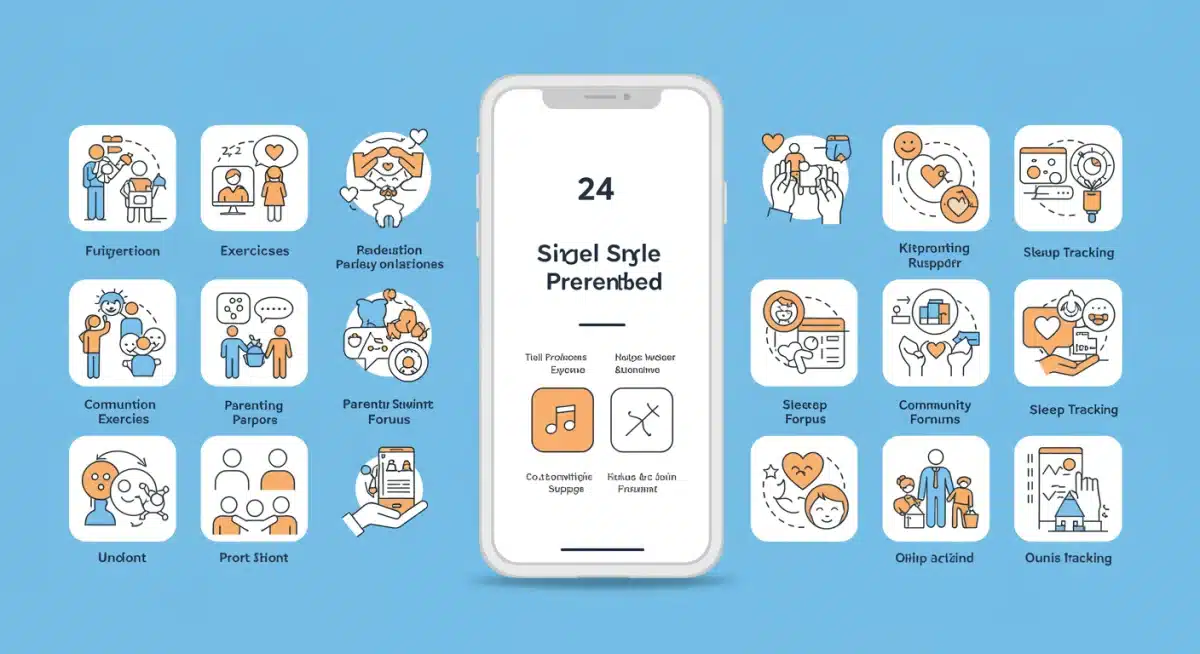
- Personalized Mood Tracking: Advanced algorithms help users identify patterns and triggers, offering data-driven insights into their emotional well-being.
- Guided Meditation & Mindfulness: Short, digestible sessions designed for busy schedules, often incorporating themes relevant to parenting stress.
- Peer Support Forums: Moderated communities where single parents can connect, share experiences, and offer mutual encouragement in a safe space.
- Cognitive Behavioral Therapy (CBT) Modules: Interactive exercises to challenge negative thought patterns and develop coping mechanisms, often delivered in bite-sized lessons.
- Parenting Skill Development: Resources and mini-courses on positive parenting techniques, conflict resolution, and child development stages.
A 3-Month Efficacy Review: What the Data Shows
Over the past three months, a comprehensive review of user data and clinical trials for several leading 2025 mental health apps for single parents has yielded promising results. The primary goal was to assess the tangible impact of these digital interventions on the mental well-being of single parents. Early indications suggest a significant positive shift in various markers of mental health, including reduced anxiety and depressive symptoms.
Participants reported improved stress management capabilities, better sleep quality, and a reduced sense of isolation. The accessibility and flexibility of these apps were consistently cited as key factors contributing to their sustained engagement. Furthermore, the ability to access support discreetly and at any time proved invaluable for parents juggling multiple responsibilities. The data underscores the potential of these platforms to bridge critical gaps in mental health care for this vulnerable group.
One notable finding is the high retention rate among users who engaged with apps offering a strong community component. This suggests that while self-guided tools are beneficial, the human connection fostered through peer support groups within the apps plays a crucial role in long-term adherence and overall efficacy. The blend of professional guidance with relatable peer experiences appears to be a powerful combination.
Recent Updates and Practical Solutions in 2025 Apps
The year 2025 has seen a surge of significant updates and practical solutions integrated into mental health apps for single parents, reflecting an agile response to user feedback and evolving psychological research. Developers are increasingly focusing on hyper-personalization and real-time support, moving beyond static content libraries. These updates aim to make the apps even more intuitive, responsive, and deeply integrated into the daily lives of single parents.
For instance, several apps have rolled out AI-powered chatbots capable of providing immediate, empathetic responses and guiding users to relevant resources. These chatbots are designed to handle initial distress, offer grounding techniques, and recommend specific modules or exercises based on the user’s current emotional state. This instant support mechanism is a game-changer for parents who often cannot wait for scheduled therapy sessions.
Innovations Driving Efficacy
- AI-Driven Chatbots: Offering real-time emotional support and personalized resource navigation, available 24/7.
- Integrated Calendar & Task Management: Tools that help parents organize their schedules, set reminders for self-care, and manage childcare logistics seamlessly within the app.
- Gamified Progress Tracking: Encouraging consistent engagement through rewards, milestones, and visual representations of mental health improvements.
- Telehealth Integration: Direct links to licensed therapists for virtual sessions, allowing for a hybrid approach to mental health care.
- Culturally Competent Content: Expanding libraries to include resources and perspectives that resonate with diverse cultural backgrounds and family structures.
Challenges and Limitations in Digital Mental Health
While the proliferation of 2025 mental health apps for single parents offers immense promise, it is crucial to acknowledge the existing challenges and limitations. Not all apps are created equal, and the digital divide remains a significant barrier for many. Access to reliable internet, compatible devices, and the digital literacy required to navigate these platforms are not universally available, particularly in underserved communities.
Concerns regarding data privacy and security are also paramount. Users entrust sensitive personal information to these apps, and robust safeguards are essential to maintain trust. Furthermore, while apps can provide excellent supplementary support, they are not a substitute for professional clinical care for severe mental health conditions. There is a continuous need for clear guidelines on when to seek professional intervention and how apps can best complement traditional therapy.
The sheer volume of available apps can also be overwhelming, making it difficult for single parents to discern which platforms are genuinely evidence-based and effective. Regulatory oversight and independent efficacy reviews are becoming increasingly important to help users make informed choices and ensure the quality of digital mental health solutions.
Future Outlook: Evolving Support for Single Parents
The landscape of digital mental health support for single parents is rapidly evolving, with a clear trajectory towards more integrated, personalized, and preventative care. Looking ahead, we anticipate even greater sophistication in AI and machine learning algorithms, enabling apps to predict potential mental health crises and offer pre-emptive interventions based on subtle shifts in user behavior or mood patterns. This predictive capability could revolutionize how single parents manage their mental well-being.
We also expect to see a stronger emphasis on interoperability, allowing these apps to seamlessly connect with other health platforms, wearable devices, and even telehealth providers. This integration will create a more holistic ecosystem of care, reducing fragmentation and ensuring that single parents receive comprehensive support across all facets of their lives. The goal is to move towards a model where mental health support is not just reactive but an integral, proactive component of daily life for single parents.
Further research will undoubtedly focus on long-term efficacy, cultural adaptations, and accessibility for diverse populations. The continued refinement of these tools, driven by both technological advancements and a deeper understanding of single parent needs, promises a brighter future for their mental health and overall family well-being. The potential for these digital solutions to empower and uplift single parents globally is immense, and their development will remain a critical area of innovation.
| Key Point | Brief Description |
|---|---|
| Targeted Support | 2025 apps specifically address unique single parent challenges like isolation and time constraints. |
| High Efficacy | 3-month review shows reduced anxiety, improved sleep, and better stress management among users. |
| Innovative Features | AI chatbots, personalized mood tracking, and peer support forums are key to app success. |
| Future Integration | Anticipated advancements include predictive AI and seamless interoperability with other health platforms. |
Frequently Asked Questions About 2025 Mental Health Apps
These apps offer tailored resources like flexible meditation, parenting tips, and community forums. They address common stressors such as isolation, time constraints, and financial pressures, providing accessible support that fits into a single parent’s demanding schedule, often leveraging AI for personalized guidance.
Many leading 2025 apps incorporate evidence-based techniques like CBT and mindfulness. Our 3-month review indicates positive outcomes, showing reduced anxiety, improved sleep, and better stress management, though efficacy can vary by app and individual engagement. Always look for apps with transparent research backing.
Recent updates in 2025 include AI-driven chatbots for instant support, integrated calendar and task management tools, gamified progress tracking for engagement, and enhanced telehealth integration. These features aim to provide comprehensive, real-time, and personalized mental health solutions.
While 2025 mental health apps offer significant support and practical tools, they are generally not a substitute for professional therapy, especially for severe mental health conditions. They serve as excellent complementary resources, providing daily coping mechanisms and immediate support, but professional guidance remains crucial for complex issues.
Users should review an app’s privacy policy to understand how personal data is collected, stored, and used. Look for apps with robust encryption, clear data sharing practices, and compliance with privacy regulations. Choosing reputable apps with strong security measures is essential to protect sensitive information.
What Happens Next
The ongoing evolution of 2025 mental health apps for single parents signals a critical shift towards more accessible and tailored mental well-being support. As technology continues to advance, we anticipate further integration of AI for predictive analytics, offering pre-emptive interventions based on user patterns. This means future developments will likely focus on creating a seamlessly interconnected ecosystem of care, linking apps with wearables and telehealth services for a truly holistic approach. Watch for continued research into long-term efficacy and broader accessibility efforts to ensure these vital tools reach every single parent in need.