New 2026 Federal Child Tax Credit: $2,000 Increase Per Child

Latest developments on New 2026 Federal Child Tax Credit: What Families in the U.S. Need to Know About Potential $2,000 Increase Per Child., with key facts, verified sources and what readers need to monitor next in Estados Unidos, presented clearly in Inglês (Estados Unidos) (en-US).
The prospect of a New 2026 Federal Child Tax Credit: What Families in the U.S. Need to Know About Potential $2,000 Increase Per Child. is currently a significant topic for millions of American households. This potential enhancement could substantially impact family budgets, offering much-needed financial relief and support.
As discussions unfold in legislative circles, understanding the specifics of this proposed change becomes paramount for parents and guardians. This report aims to dissect the key aspects, potential eligibility, and the broader implications of the 2026 Child Tax Credit.
We will delve into the details, providing factual and up-to-date information, ensuring families are well-informed about what this credit could mean for their financial planning and overall well-being in the coming years.
Understanding the Proposed 2026 Child Tax Credit Changes
The proposed changes to the 2026 Child Tax Credit are generating considerable interest, particularly the potential for a $2,000 increase per child. This move aims to bolster financial stability for families across the nation.
Lawmakers are actively debating various proposals, with a common goal of making the credit more accessible and impactful for low- and middle-income families. The discussions center on how to best structure the credit to achieve maximum benefit.
For families, this could translate into a significant boost, helping to cover essential expenses like childcare, education, and healthcare. The specifics of the legislation will ultimately determine the final structure and benefit levels of the 2026 Child Tax Credit.
Current Child Tax Credit Landscape and Its Limitations
Before examining the proposed enhancements, it is crucial to understand the current structure and limitations of the existing Child Tax Credit. This context highlights why a significant reform, such as the 2026 Child Tax Credit, is being considered.
The current credit offers up to $2,000 per qualifying child, with a refundable portion capped at $1,600 for 2023. This structure, while beneficial, often leaves out the lowest-income families who may not earn enough to claim the full amount.
Critics argue that the current design does not fully address the needs of the most vulnerable families, leading to calls for reforms that ensure broader access and greater equity. The push for a New 2026 Federal Child Tax Credit aims to rectify these disparities.
Who Qualifies for the Enhanced 2026 Child Tax Credit?
Eligibility for the enhanced 2026 Child Tax Credit will be a critical factor for families looking to benefit from the potential $2,000 increase. While specific criteria are still under legislative review, past reforms and current proposals offer insights.
Typically, eligibility hinges on factors such as a child’s age, relationship to the taxpayer, and residency. Income thresholds also play a significant role, determining whether a family qualifies for the full or a partial credit.
The goal of many proposed changes is to ensure that more low-income families can access the full refundable amount, making the 2026 Child Tax Credit a more inclusive and effective tool for poverty reduction. Families should monitor official IRS guidance as it becomes available.
The Potential $2,000 Increase: What It Means for Family Budgets
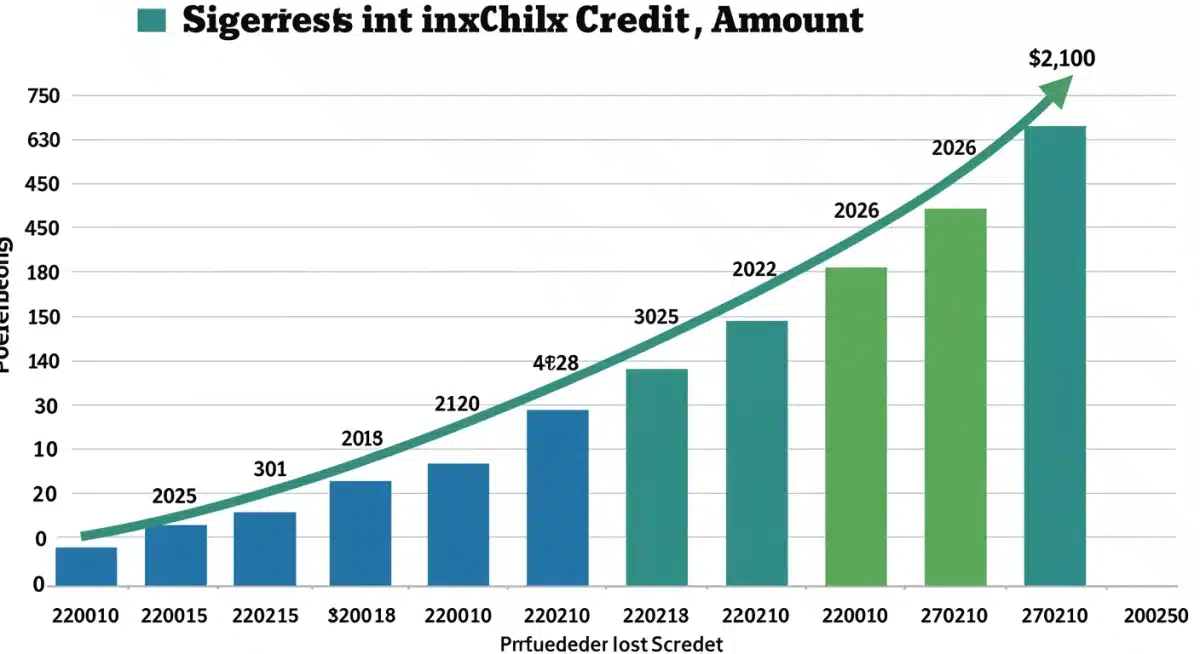
The prospect of a $2,000 increase per child under the New 2026 Federal Child Tax Credit is a game-changer for many households. This additional financial support could alleviate considerable economic pressure.
For a family with two children, this could mean an extra $4,000, significantly impacting their ability to meet rising costs of living. This boost provides a critical safety net and opportunity for investment in children’s futures.
Families could use these funds for various necessities, from groceries and utility bills to saving for college or addressing unexpected medical expenses. The 2026 Child Tax Credit aims to offer tangible relief and foster economic stability.
Economic Impact and Broader Societal Benefits of the 2026 Child Tax Credit
Beyond individual family budgets, the enhanced 2026 Child Tax Credit is expected to have significant economic and societal benefits. Experts project a positive ripple effect throughout the economy.
Increased disposable income for families can stimulate local economies as spending rises on goods and services. This boost can support small businesses and create jobs, fostering broader economic growth.
Furthermore, studies have consistently shown that expanded child tax credits lead to reductions in child poverty and improved outcomes in health and education. The New 2026 Federal Child Tax Credit represents an investment in the nation’s future well-being.
Legislative Hurdles and the Path Forward for the 2026 Child Tax Credit
While the potential benefits of the New 2026 Federal Child Tax Credit are clear, its passage is not without legislative hurdles. Various political and economic considerations are currently shaping the debate in Congress.
Discussions often revolve around the cost of such an expansion and how it aligns with broader fiscal policies. Bipartisan support is crucial for the credit to move from proposal to enacted law, requiring compromise and negotiation.
Advocacy groups and economists continue to present data supporting the long-term benefits of the credit, urging lawmakers to prioritize family financial security. The path to the 2026 Child Tax Credit becoming a reality involves careful navigation of these complex dynamics.
Preparing for the New 2026 Federal Child Tax Credit: Steps for Families
As discussions around the New 2026 Federal Child Tax Credit evolve, families can take proactive steps to stay informed and prepare. Early awareness is key to maximizing potential benefits.
Families should regularly consult official sources, such as the IRS website and reputable news outlets, for updates on legislative progress and finalized details. Understanding the criteria will be essential once the credit is enacted.
Additionally, maintaining accurate financial records and consulting with tax professionals can help families navigate any changes and ensure they claim all eligible credits. Being prepared for the 2026 Child Tax Credit means being informed.

Comparing the 2026 Child Tax Credit to Previous Iterations
Understanding the New 2026 Federal Child Tax Credit requires a look back at its predecessors, particularly the expanded credit of 2021. This comparison highlights the significant shifts being considered.
The 2021 expansion made the credit fully refundable and increased its maximum value, leading to a notable reduction in child poverty. While temporary, it served as a powerful demonstration of the credit’s potential efficacy.
The proposed 2026 Child Tax Credit aims to build upon these successes, potentially making some of those beneficial changes permanent or even expanding upon them. This evolution reflects an ongoing commitment to supporting American families.
| Key Aspect | Brief Description |
|---|---|
| Potential Increase | Up to $2,000 per child for the 2026 Child Tax Credit. |
| Eligibility Focus | Aims to expand access for low-income families to the 2026 Child Tax Credit. |
| Economic Impact | Expected to reduce child poverty and boost local economies with the 2026 Child Tax Credit. |
| Legislative Status | Currently under debate in Congress; bipartisan support is key for the 2026 Child Tax Credit. |
Frequently Asked Questions About the 2026 Child Tax Credit
The primary proposal for the New 2026 Federal Child Tax Credit involves a significant increase, potentially up to an additional $2,000 per qualifying child. This aims to provide substantial financial relief and support to families across the United States, addressing rising costs and enhancing economic stability for children.
As the name suggests, the New 2026 Federal Child Tax Credit is slated to take effect for the 2026 tax year, meaning benefits would likely be claimed when filing taxes in early 2027. However, legislative timelines can shift, so families should stay updated on official announcements regarding its implementation.
The enhanced 2026 Child Tax Credit is specifically designed to benefit low- and middle-income families, with a strong focus on making the credit fully refundable. This ensures that even families with little or no tax liability can receive the full amount, significantly reducing child poverty rates.
The passage of the New 2026 Federal Child Tax Credit depends heavily on ongoing bipartisan negotiations in Congress. While there is broad recognition of the need for family support, specific details regarding funding and scope are still being debated, making its final form and enactment uncertain but hopeful.
Families can prepare for the New 2026 Federal Child Tax Credit by staying informed through official government sources like the IRS and reliable news outlets. It’s also advisable to keep accurate financial records and consider consulting a tax professional to understand how potential changes might impact their specific tax situation.
Looking Ahead
The ongoing discussions regarding the New 2026 Federal Child Tax Credit represent a critical juncture for family financial policy in the U.S. The potential for a $2,000 increase per child underscores a broader effort to strengthen economic security for American households.
As legislative processes unfold, it will be essential for families to monitor official announcements and understand the finalized eligibility requirements. This credit could offer substantial relief and investment in the future of millions of children.
The outcome of these deliberations will not only shape individual family budgets but also influence national economic trends and poverty reduction efforts, making the 2026 Child Tax Credit a key policy to watch in the coming months.